The quick version
- Dog sledding on snow usually runs from November to April, depending on snow conditions.[1]
- The season from November to April is open through the late-winter weeks, when snow is usually reliable and daylight returns.[1]
- Polar night runs around 27 November until 15 January.[2]
- Self-drive husky sled with a traditional lunch, from US$355, 4 hours, English-speaking guide.[3]
- Book immediately and pay afterwards, with complimentary cancellation until 24 hours before.[3]
- Top choice Self-Drive Husky with Lunch from US$355 Duration4 hours[3]Rating4.86[3]Reviews2,050[3]LanguageEnglish guide[3] Check availability
- Northern Lights Husky Visit from US$188 Duration4 hours[4]Rating4.64[4]Reviews1,732[4]LanguageEnglish guide[4] See this tour
- Reindeer Sled and Dinner from US$219 Duration4.5 hours[5]Rating4.59[5]Reviews2,804[5]LanguageEnglish guide[5] See this tour
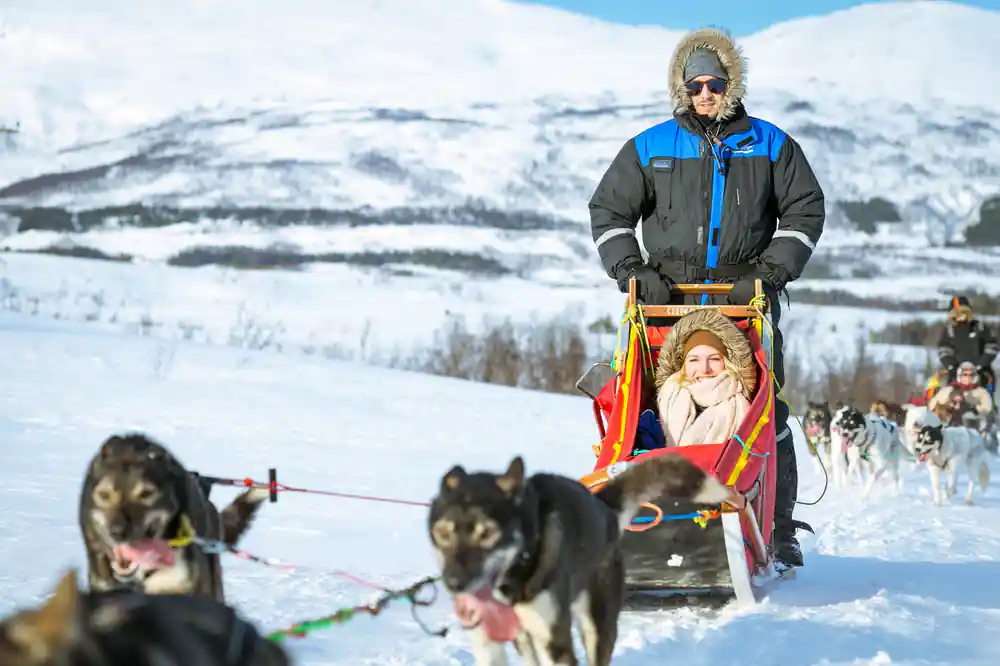
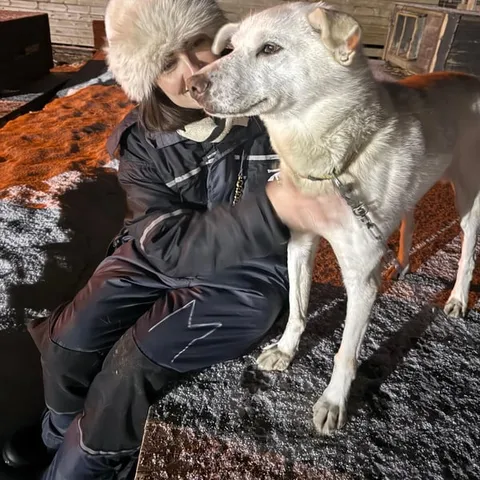
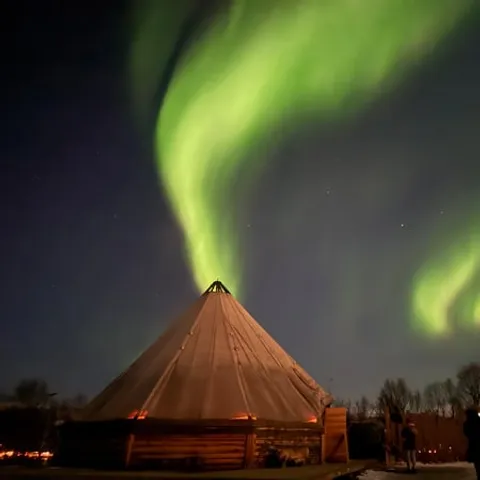
Finnmarksløpet - the longest dog-sled race in Europe challenge mushers to explore the limits of their capabilities and perform.
A winter adventure worth planning around
Read before booking
- Check the snow season before you commit
- Reserve now and pay later for flexibility
- Plan to arrive a day before your tour
- Pack warm layers and a windproof shell
On the day
- Meet your guide with time to spare
- Share the sled with a partner for balance
- Follow the mushers' safety briefing
- Bring sunglasses for bright snow
A season shaped by snow and light
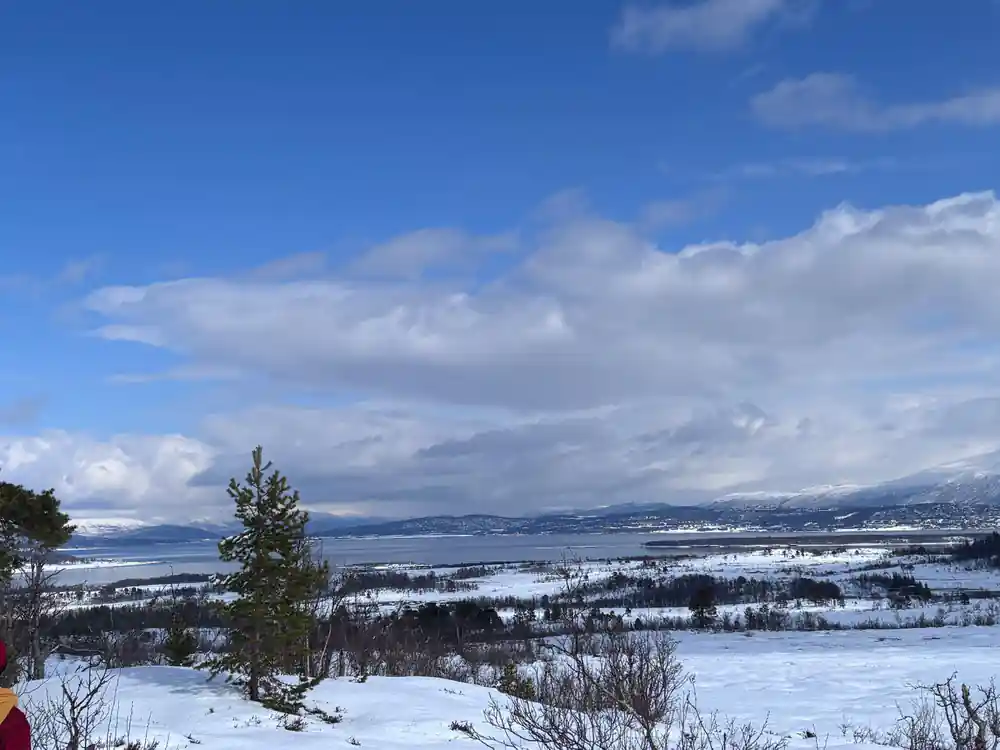
Dog sledding in Tromsø is a snow sport first and a light sport second. The season on snow usually runs from November to April, depending on snow conditions.[1] At 69°N[6], 400 km north of the Arctic Circle, this city gives winter a dramatic edge that is absent further south. Alaskan huskies are widely used for dog sledding in the region.[1]
One strong option is a self-drive husky sled with a traditional lunch. It lasts 4 hours.[3] It is led by an English-speaking guide and costs from US$355.[3] Book now and settle later; cancel at least 24 hours ahead to avoid charges and receive a full refund.[3]
The choice of month comes down to your priorities: snow cover, daylight, northern lights and how much cold you enjoy. Think about what you want from the trip, then read through each part of the season below. It helps to consider who is travelling with you, because a first-time musher, a nervous child or a partner who loves speed will each read the season differently. A good plan leaves room for conditions to change.
Early winter: when the season begins
On-snow sledding begins with the season, which usually opens in November and depends on snow conditions.[1] Early autumn can still be brown and wet, so a self-drive husky ride is not something you can count on. The reliable start is November, once the snow has settled.[1]
The opening weeks reward travellers who like beginnings. The first snows settle, kennels wake up, and the polar night is still ahead. Polar night runs around 27 November until 15 January.[2] There is daylight to see the trail, which makes this a gentle moment for a first ride.
In Tromsø, winter temperatures average roughly −4°C.[7] That is an average, not an extreme, so pack generously. Should the sky be dark and clear, the northern lights may be seen from late August until early April.[8] An evening after your ride could offer a first taste of the aurora.
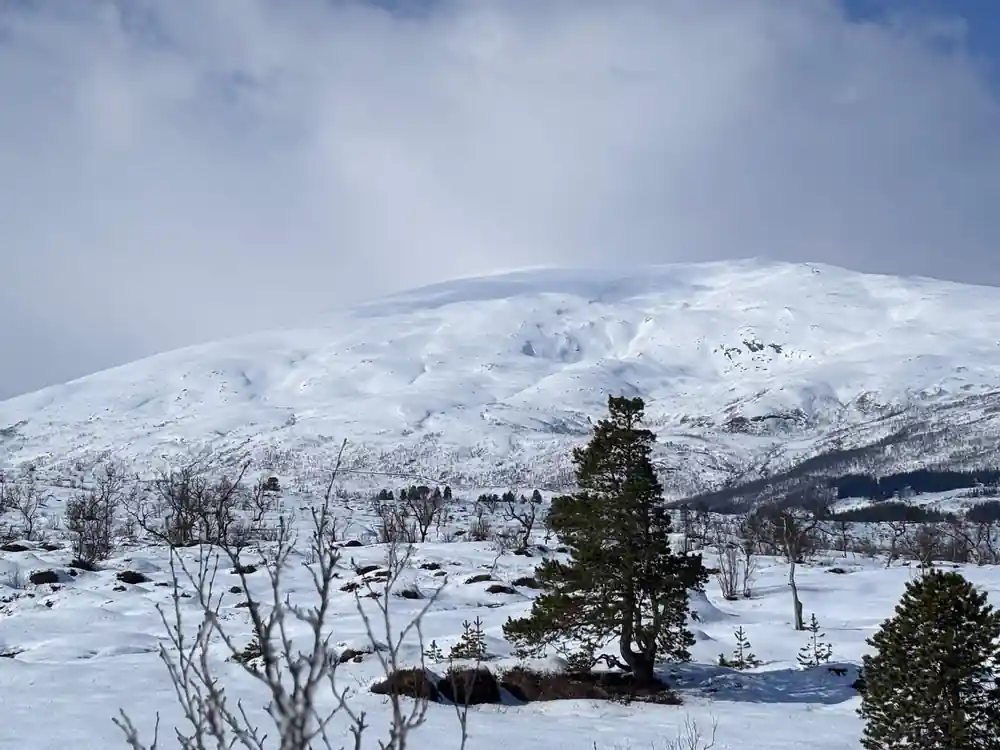
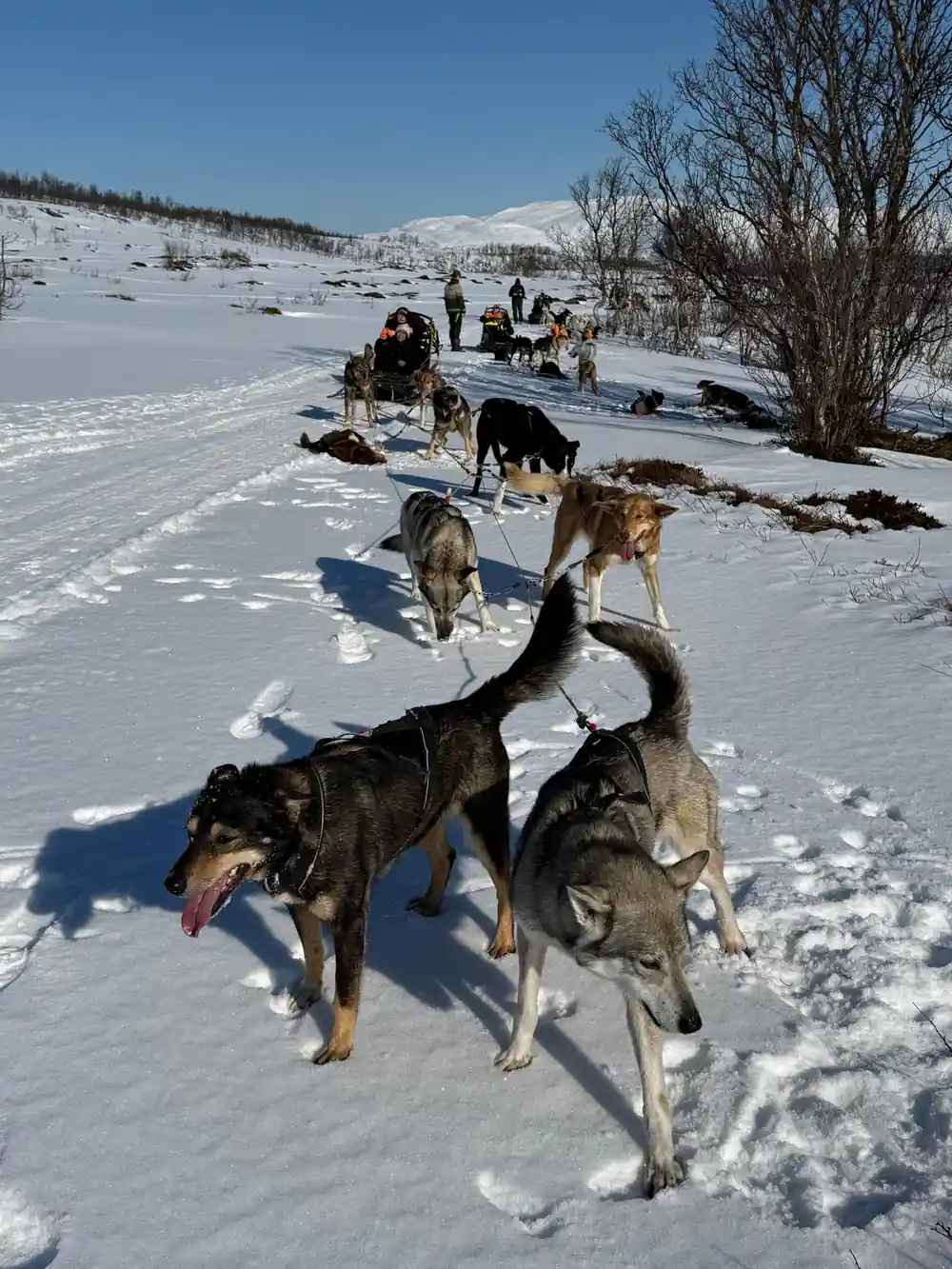
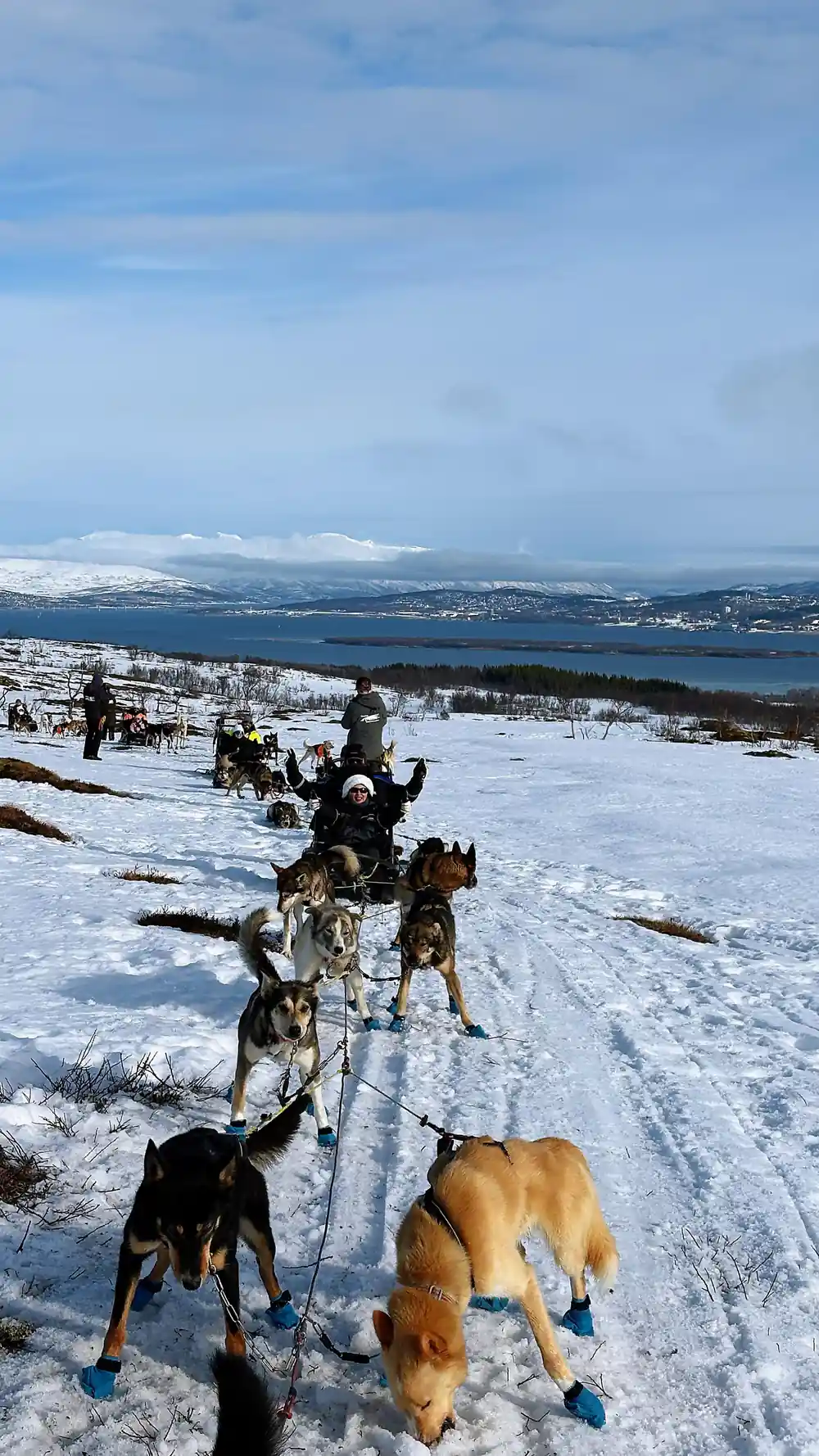
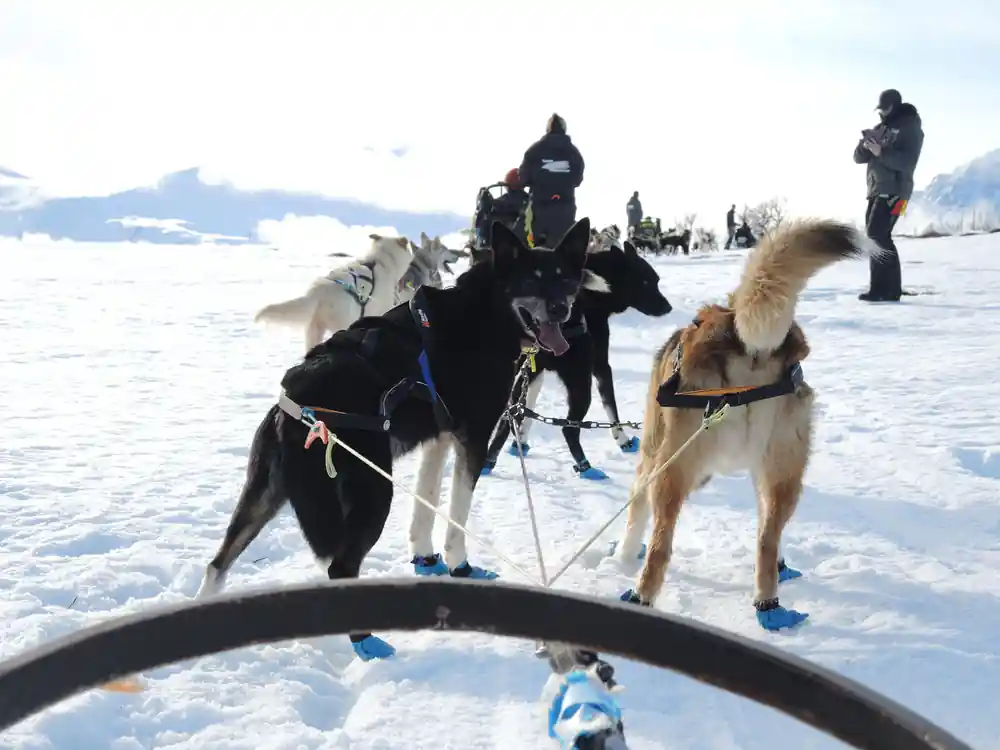
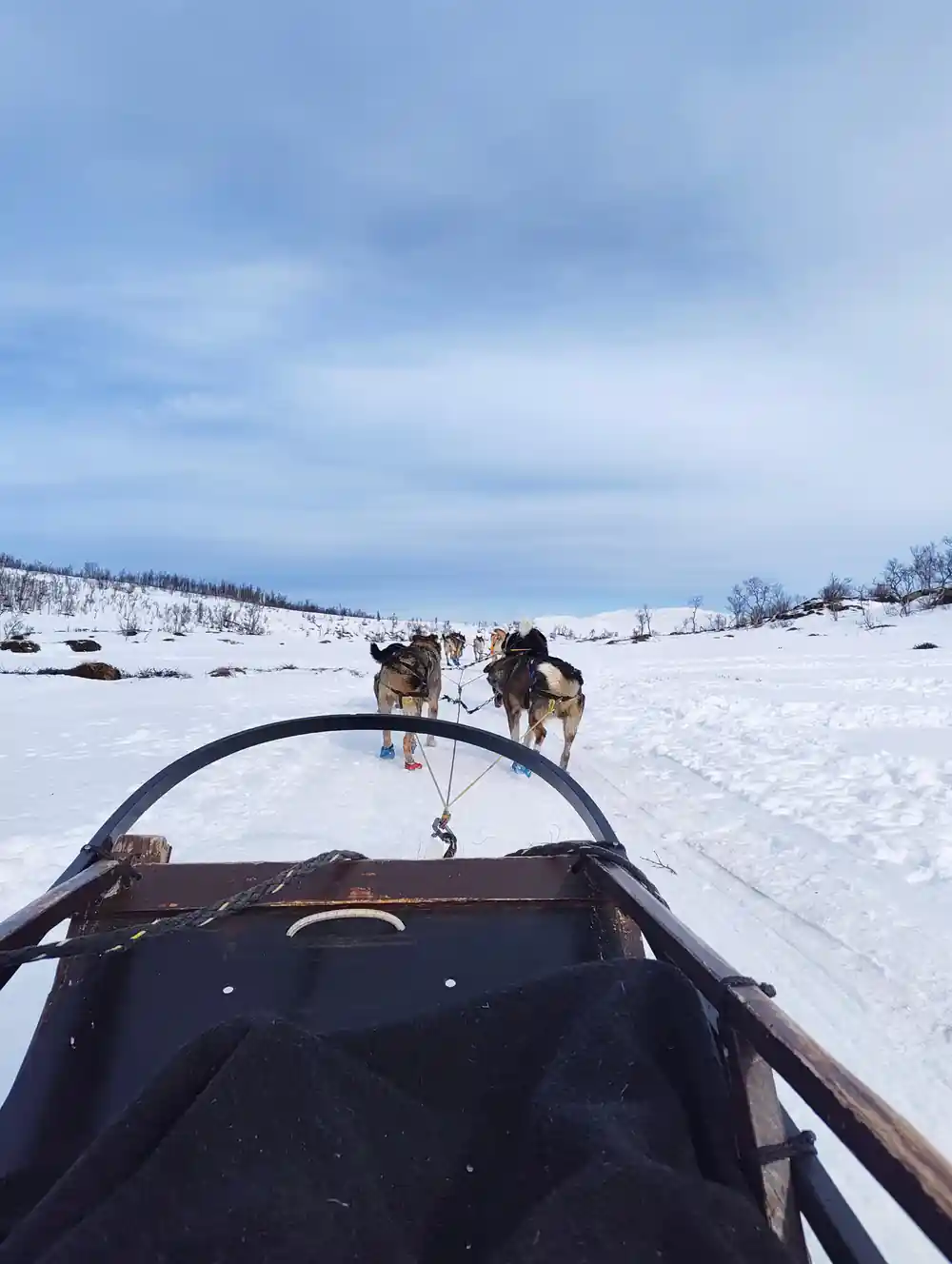
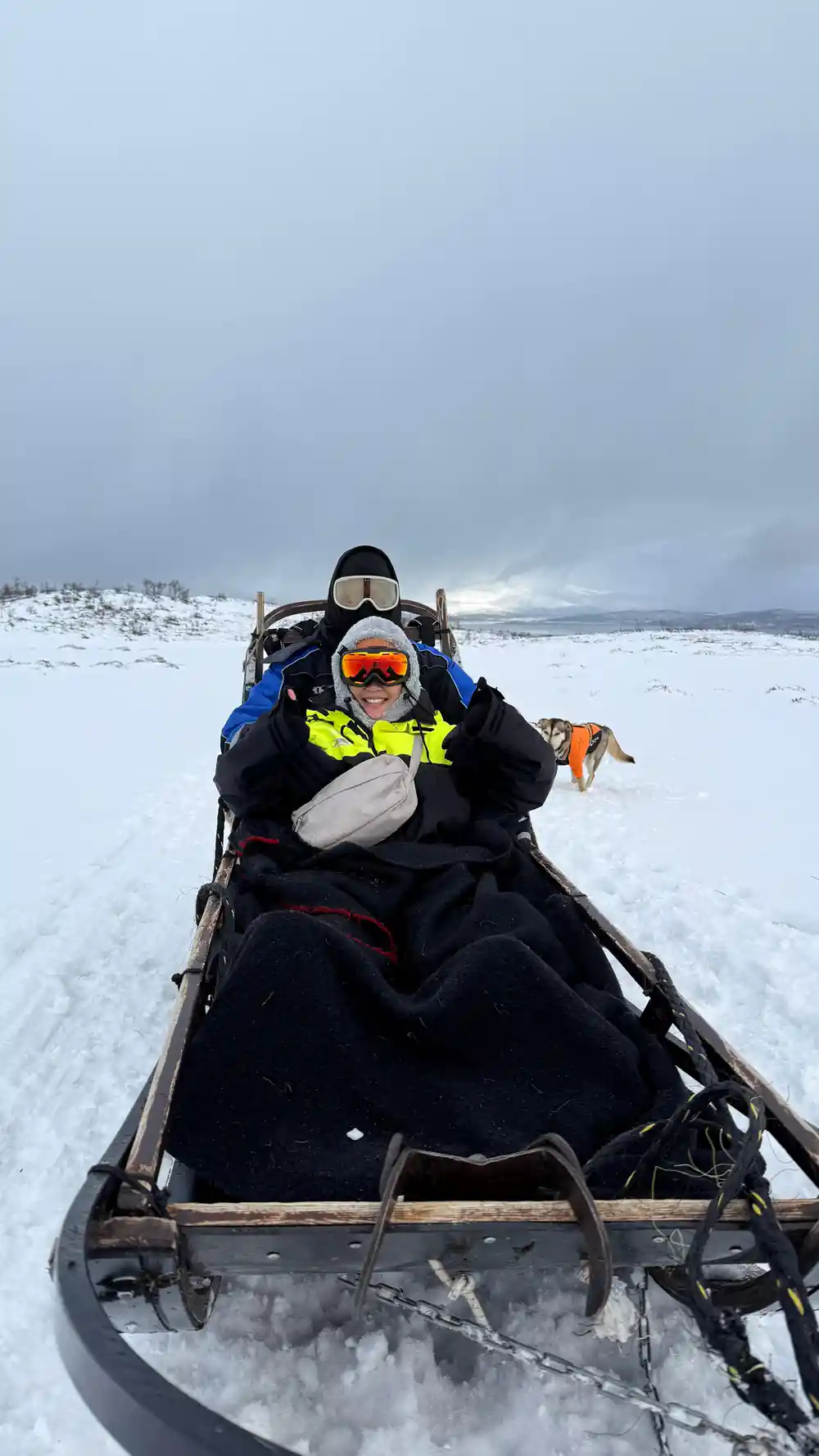
Your sled, your team and an open trail under a winter sky near Tromsø.
The polar night, the darkest weeks
The deepest winter weeks are not for everyone. The sun stays below the horizon in Tromsø from 27 November to 15 January.[2] The sky turns cobalt and rose, then fades to indigo. On a husky sled, the world becomes a study in blue and white.
Dog sledding is still within the usual season, which runs from November to April.[1] But the ride is a twilight experience rather than a sunny one. Headlamps and reflective kit matter, and the cold feels sharper on a moving sled. The average winter temperature is around −4°C.[7] Warm layers are non-negotiable. If you book, let the kennel know your experience level; it changes how much help the guide offers on the trail.
The compensation is atmosphere. With so little light, the snow seems to glow, and the dogs' breath hangs in the air. If you have always wanted to see the polar night with your own eyes, this is the time to do it properly.[2]
Late winter, when the light comes back
For a first husky trip, the later weeks of the season are a sweet spot. Snow is usually still deep, daylight returns in generous helpings, and the season is firmly open.[1] The tour lasts 4 hours.[3] It feels much longer when you can see the mountains around you and watch the light change along the trail.
The aurora can remain in play through this part of the season. Should the sky be dark and clear, the northern lights may be seen from late August until early April.[8] An evening chase can sit neatly beside a daytime husky ride. The contrast is part of the appeal: speed and laughter in daylight, then quiet sky-watching after dark.
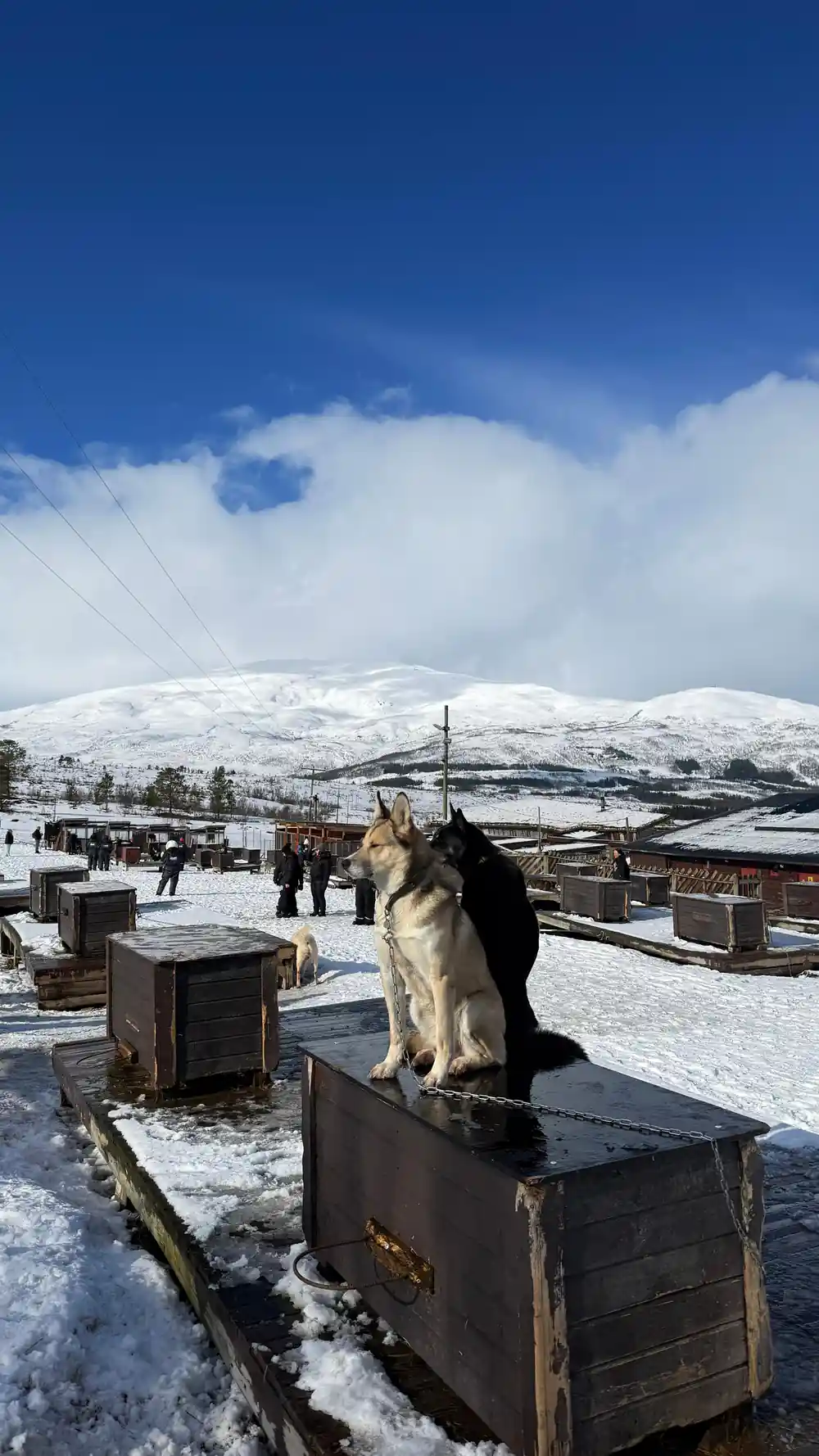
If you love the sport itself, the region's husky culture is serious. In Europe, the longest dog-sled race is Finnmarksløpet.[9] You do not need to compete to feel that spirit; the kennels around Tromsø carry it every day.
from US$355
A self-drive husky ride with a traditional lunch and free cancellation for flexibility.
The final weeks of the season
The final weeks of the season are a month of transition. The season usually continues through April, depending on snow conditions.[1] The snowpack starts to change. Mornings can be crisp and fast, while afternoons turn soft and slushy. A kennel with good trail grooming will make the difference. A later start to the day can help, since the trail softens in the afternoon.
The light is a different story. Days are long and bright, and the sun feels warm even when the air stays cool. The midnight sun is still to come, usually from around 20 May to 22 July.[10] Spring is clearly in the air.
Choose the final weeks of the season if you prefer milder conditions, quieter trails and the last chance to ride on snow. Just keep your dates flexible and watch the conditions before you book a flight.
Choosing a month, and booking it
The best time for dog sledding in Tromso is the month that matches your appetite for winter. Want a postcard Arctic scene with deep snow and twilight? Choose the heart of the season. Want daylight and reliable trails for a comfortable first ride? The later weeks of the season are inside the usual window and are hard to beat.[1] If you are torn, choose snow reliability first; you can chase the lights on a separate evening.
Once you choose, the specifics of the tour are straightforward. It is a self-drive husky sled with a traditional lunch, from US$355.[3] It lasts 4 hours.[3] It has a live English-speaking guide and is rated 4.86 from 2,050 reviews.[3]
The season is tied to snow, and dates matter. You can reserve now and pay later.[3] If your plans change, cancelling at least 24 hours ahead is free and results in a full refund.[3] That combination makes it easy to commit early and adjust later.
Getting to Tromsø and dressing for it
Arriving is simple. From Tromsø Airport to the city centre, travel time is usually about 10-20 minutes.[11] That leaves you time to settle in, eat well and organize your layers before the tour morning. For a self-drive husky ride, a calm start is worth more than an extra hour in bed.
Dressing is practical. In Tromsø, winter temperatures average roughly −4°C.[7] A moving sled adds wind, so wear wool against the skin, an insulating mid layer, and a windproof and waterproof shell. Warm boots, thick socks and lined gloves are the pieces you will feel most. A neck warmer and a pair of thin liner gloves are easy to pack and surprisingly useful. If you are unsure, ask your guide before the ride; the kennels see every kind of visitor.
The tour's name promises a traditional lunch after the ride, which is a fine way to warm up and compare stories with the other mushers. By the time you leave the kennel, you will know exactly why dog sledding in Tromso is a season worth chasing.
Tour length in hours
Compare husky and reindeer prices
US dollar from-prices from GetYourGuide listings.[3][4][5][12]
Best months to book
How to plan and book
Pick a month with snow
The season usually runs from November to April, depending on snow conditions.[1] Decide whether you want deep winter or brighter days.
Check daylight and lights
Near the polar night, expect low light; it lasts from 27 November to 15 January.[2] The northern lights may still be visible from late August to early April.[8]
Pack a proper winter kit
The average winter temperature is around −4°C.[7] Wool underlayers, a warm mid layer and a windproof shell are essential.
Reserve now and pay later
You can reserve now and pay later.[3] You are entitled to a complete refund when cancelling no later than 24 hours before.[3]
Plan your arrival
Airport to city centre takes about 10-20 minutes.[11] Arrive a day ahead to rest before your tour.
Ready to take the handlebar on a snow-covered trail?
from US$356Reserve now & pay later